Introduction
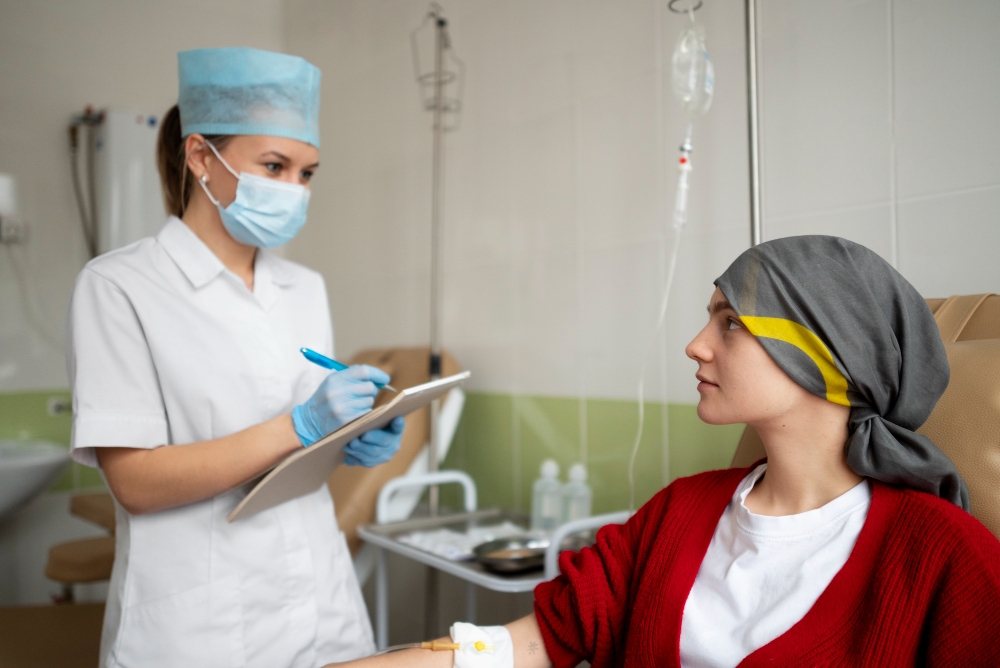
Recovery after cancer surgery is a vital part of your healing process. It means taking steps to regain your strength and health after your operation. For many people, this journey can feel overwhelming. However, with a good plan, you can make recovery smoother and safer. Your care team will help guide you, but knowing what to expect is important. This blog will share helpful tips and steps for a successful recovery after cancer surgery.
Common Challenges After Cancer Surgery
After surgery, you may face several challenges. These can affect your body and mind. But knowing about them can help you prepare. Common challenges include:
Because everyone is different, your experience may vary. Always talk to your doctor about any concerns.
Step-by-Step Recovery Planning
Planning your recovery after cancer surgery helps you stay on track. Here are some simple steps to follow:
With these steps, you can feel more in control of your recovery journey.
Tips for Managing Symptoms and Side Effects
After surgery, you may notice symptoms or side effects. But there are ways to manage them. Try these tips:
Because side effects can change, keep your doctor informed about any new symptoms.
Nutrition and Physical Activity Guidance
Eating well and staying active are key parts of cancer surgery rehabilitation. For best results:
Because every person heals at a different pace, always check with your care team before making changes.
Emotional and Mental Health Support
Recovering from cancer surgery affects your emotions, too. You may feel sad, anxious, or worried. But support is available. Consider these options:
Because emotional health is as important as physical health, do not hesitate to seek help.
When to Seek Medical Help
Sometimes, problems can arise after surgery. It is important to know when to call your doctor. Seek help if you notice:
Because quick action can prevent serious problems, always contact your care team if you are unsure.
Prevention of Complications
Preventing complications is a key part of post-surgery care for cancer patients. You can lower your risk by:
Because prevention is better than cure, stay alert and follow your care plan closely.
Conclusion and Next Steps
In summary, recovery after cancer surgery takes time and care. With the right plan, you can manage symptoms, eat well, and stay active. Remember, emotional support is just as important as physical healing. For the best results, work closely with your care team. Consult your oncology care team for personalized recovery guidance after cancer surgery.